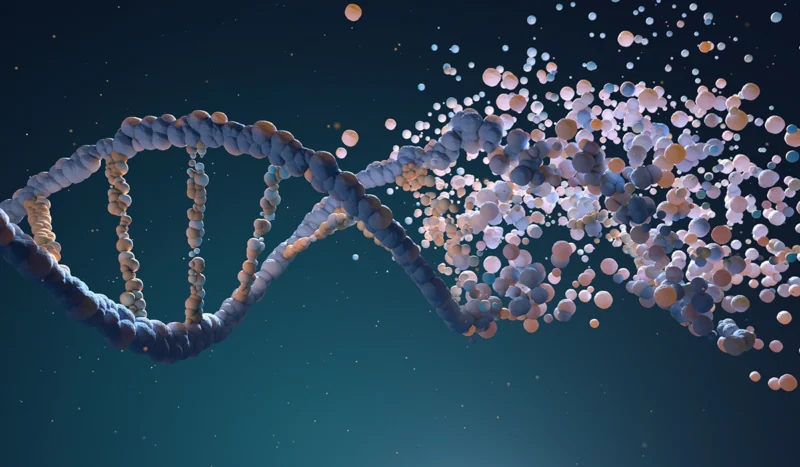
Why Cellular Energy Declines with Age—and What Science Says You Can Do About It

Cellular energy decline is a hallmark of aging—but it’s not just about getting older. This in-depth article explains why mitochondrial efficiency, NAD⁺ availability, inflammation balance, mineral-dependent enzymes, and repair capacity all influence how cells produce energy over time, and what modern longevity science says about supporting sustainable energy, resilience, and healthy aging at the cellular level.
Continue ReadingWhy Cellular Energy Declines with Age—and What Science Says You Can Do About It

From Damage to Renewal: How Cells Repair, Adapt, and Thrive Over Time

Cellular aging is not just the accumulation of damage—it is the gradual loss of repair, adaptation, and renewal capacity. This in-depth article explores how cells detect stress, repair injury, adapt through hormesis, manage inflammation, recycle damaged components, and maintain resilience over time, revealing why cellular recovery systems are the true foundation of longevity and healthy aging.

Continue ReadingFrom Damage to Renewal: How Cells Repair, Adapt, and Thrive Over Time

Autophagy Explained: The Cell’s Built-In Renewal and Recycling System

Autophagy is the body’s built-in cellular renewal and recycling system that helps remove damaged components, maintain energy efficiency, and support long-term cellular resilience. This in-depth guide explains how autophagy works, its role in mitochondrial health, inflammation balance, and oxidative stress management, and why cellular cleanup is foundational to healthy aging and longevity.

Continue ReadingAutophagy Explained: The Cell’s Built-In Renewal and Recycling System